涩涩爱在线撸免费视频,失禁 调教 刺激 哭喊男男,丰满少妇猛烈进入A片99A,自己动粗暴抽插娇喘羞辱

PlayStop進(jìn)入圖庫(kù) Treasures at the Palace Museum
上一頁(yè) 下一頁(yè)
  • Show Captions
  • Show Captions
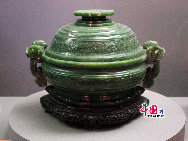
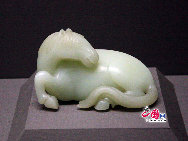
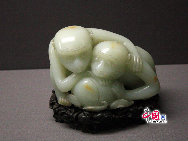
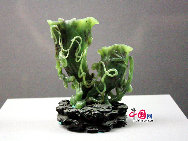
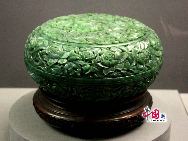
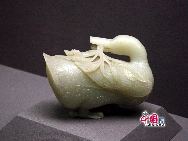
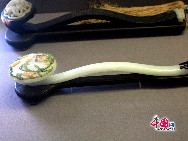
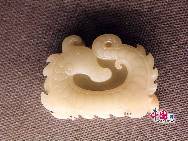
Treasures at the Palace Museum

The Palace Museum was founded in 1925 and is a comprehensive national museum built on the basis of the layout of the imperial palace of the Ming (1368-1683) and Qing (1644-1911) Dynasties. The Palace Museum covers an area of 1.03 million square meters, and possesses 1.5 million cultural relics.

The Palace Museum is the only existing example vividly illustrating the development of China's palace architecture. It is also the biggest and best-preserved brick-and-wood-structured ancient palace building complex in the world. In 1987, the Palace Museum was listed as a World Heritage Site by UNESCO. It is also a national AAAAA tourist attraction.

The Palace Museum was founded in 1925 and is a comprehensive national museum built on the basis of the layout of the imperial palace of the Ming (1368-1683) and Qing (1644-1911) Dynasties. The Palace Museum covers an area of 1.03 million square meters, and possesses 1.5 million cultural relics.

The Palace Museum is the only existing example vividly illustrating the development of China's palace architecture. It is also the biggest and best-preserved brick-and-wood-structured ancient palace building complex in the world. In 1987, the Palace Museum was listed as a World Heritage Site by UNESCO. It is also a national AAAAA tourist attraction.
The Palace Museum was founded in 1925 and is a comprehensive national museum built on the basis of the layout of the imperial palace of the Ming (1368-1683) and Qing (1644-1911) Dynasties. The Palace Museum covers an area of 1.03 million square meters, and possesses 1.5 million cultural relics.
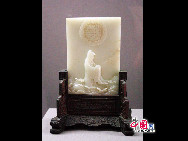
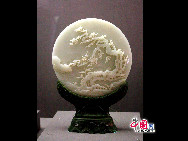
The Palace Museum is the only existing example vividly illustrating the development of China's palace architecture. It is also the biggest and best-preserved brick-and-wood-structured ancient palace building complex in the world. In 1987, the Palace Museum was listed as a World Heritage Site by UNESCO. It is also a national AAAAA tourist attraction.
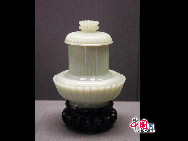
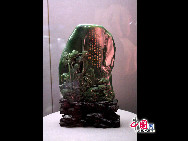
The Palace Museum was founded in 1925 and is a comprehensive national museum built on the basis of the layout of the imperial palace of the Ming (1368-1683) and Qing (1644-1911) Dynasties. The Palace Museum covers an area of 1.03 million square meters, and possesses 1.5 million cultural relics.
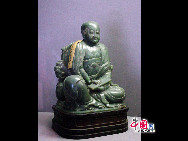
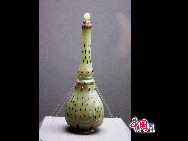
The Palace Museum is the only existing example vividly illustrating the development of China's palace architecture. It is also the biggest and best-preserved brick-and-wood-structured ancient palace building complex in the world. In 1987, the Palace Museum was listed as a World Heritage Site by UNESCO. It is also a national AAAAA tourist attraction.
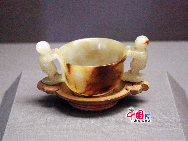
The Palace Museum was founded in 1925 and is a comprehensive national museum built on the basis of the layout of the imperial palace of the Ming (1368-1683) and Qing (1644-1911) Dynasties. The Palace Museum covers an area of 1.03 million square meters, and possesses 1.5 million cultural relics.
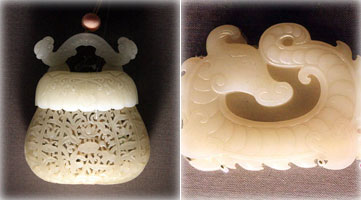
The Palace Museum is the only existing example vividly illustrating the development of China's palace architecture. It is also the biggest and best-preserved brick-and-wood-structured ancient palace building complex in the world. In 1987, the Palace Museum was listed as a World Heritage Site by UNESCO. It is also a national AAAAA tourist attraction.

The Palace Museum was founded in 1925 and is a comprehensive national museum built on the basis of the layout of the imperial palace of the Ming (1368-1683) and Qing (1644-1911) Dynasties. The Palace Museum covers an area of 1.03 million square meters, and possesses 1.5 million cultural relics.

The Palace Museum is the only existing example vividly illustrating the development of China's palace architecture. It is also the biggest and best-preserved brick-and-wood-structured ancient palace building complex in the world. In 1987, the Palace Museum was listed as a World Heritage Site by UNESCO. It is also a national AAAAA tourist attraction.

The Palace Museum was founded in 1925 and is a comprehensive national museum built on the basis of the layout of the imperial palace of the Ming (1368-1683) and Qing (1644-1911) Dynasties. The Palace Museum covers an area of 1.03 million square meters, and possesses 1.5 million cultural relics.

The Palace Museum is the only existing example vividly illustrating the development of China's palace architecture. It is also the biggest and best-preserved brick-and-wood-structured ancient palace building complex in the world. In 1987, the Palace Museum was listed as a World Heritage Site by UNESCO. It is also a national AAAAA tourist attraction.

The Palace Museum was founded in 1925 and is a comprehensive national museum built on the basis of the layout of the imperial palace of the Ming (1368-1683) and Qing (1644-1911) Dynasties. The Palace Museum covers an area of 1.03 million square meters, and possesses 1.5 million cultural relics.

The Palace Museum is the only existing example vividly illustrating the development of China's palace architecture. It is also the biggest and best-preserved brick-and-wood-structured ancient palace building complex in the world. In 1987, the Palace Museum was listed as a World Heritage Site by UNESCO. It is also a national AAAAA tourist attraction.

The Palace Museum was founded in 1925 and is a comprehensive national museum built on the basis of the layout of the imperial palace of the Ming (1368-1683) and Qing (1644-1911) Dynasties. The Palace Museum covers an area of 1.03 million square meters, and possesses 1.5 million cultural relics.

The Palace Museum is the only existing example vividly illustrating the development of China's palace architecture. It is also the biggest and best-preserved brick-and-wood-structured ancient palace building complex in the world. In 1987, the Palace Museum was listed as a World Heritage Site by UNESCO. It is also a national AAAAA tourist attraction.

The Palace Museum was founded in 1925 and is a comprehensive national museum built on the basis of the layout of the imperial palace of the Ming (1368-1683) and Qing (1644-1911) Dynasties. The Palace Museum covers an area of 1.03 million square meters, and possesses 1.5 million cultural relics.

The Palace Museum is the only existing example vividly illustrating the development of China's palace architecture. It is also the biggest and best-preserved brick-and-wood-structured ancient palace building complex in the world. In 1987, the Palace Museum was listed as a World Heritage Site by UNESCO. It is also a national AAAAA tourist attraction.

The Palace Museum was founded in 1925 and is a comprehensive national museum built on the basis of the layout of the imperial palace of the Ming (1368-1683) and Qing (1644-1911) Dynasties. The Palace Museum covers an area of 1.03 million square meters, and possesses 1.5 million cultural relics.

The Palace Museum is the only existing example vividly illustrating the development of China's palace architecture. It is also the biggest and best-preserved brick-and-wood-structured ancient palace building complex in the world. In 1987, the Palace Museum was listed as a World Heritage Site by UNESCO. It is also a national AAAAA tourist attraction.

The Palace Museum was founded in 1925 and is a comprehensive national museum built on the basis of the layout of the imperial palace of the Ming (1368-1683) and Qing (1644-1911) Dynasties. The Palace Museum covers an area of 1.03 million square meters, and possesses 1.5 million cultural relics.

The Palace Museum is the only existing example vividly illustrating the development of China's palace architecture. It is also the biggest and best-preserved brick-and-wood-structured ancient palace building complex in the world. In 1987, the Palace Museum was listed as a World Heritage Site by UNESCO. It is also a national AAAAA tourist attraction.

The Palace Museum was founded in 1925 and is a comprehensive national museum built on the basis of the layout of the imperial palace of the Ming (1368-1683) and Qing (1644-1911) Dynasties. The Palace Museum covers an area of 1.03 million square meters, and possesses 1.5 million cultural relics.

The Palace Museum is the only existing example vividly illustrating the development of China's palace architecture. It is also the biggest and best-preserved brick-and-wood-structured ancient palace building complex in the world. In 1987, the Palace Museum was listed as a World Heritage Site by UNESCO. It is also a national AAAAA tourist attraction.