<small id="6o8u8"></small>
<ul id="6o8u8"></ul>
<abbr id="6o8u8"><center id="6o8u8"></center></abbr>
<dfn id="6o8u8"><center id="6o8u8"></center></dfn>
<ul id="6o8u8"></ul>
<small id="6o8u8"></small>
<strike id="6o8u8"><input id="6o8u8"></input></strike>
<strike id="6o8u8"></strike>
<ul id="6o8u8"></ul>
涩涩爱在线撸免费视频,失禁 调教 刺激 哭喊男男,丰满少妇猛烈进入A片99A,自己动粗暴抽插娇喘羞辱
Photo
|
Travel
|
Home
Royal heaven worship ceremony in the Tiantan Park
Show Captions
Show Captions
Royal heaven worship ceremony in the Tiantan Park



 Royal heaven worship ceremony in the Tiantan Park


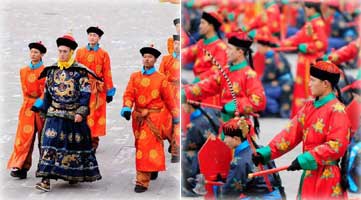
![Performers wearing costumes of the Qing Dynasty (1644-1911) act during a performance presenting the ancient royal heaven worship ceremony in the Tiantan Park (Temple of Heaven) in Beijing, capital of China, Feb. 3, 2011, on the occasion of the Chinese Lunar New Year of Rabbit. The Temple of Heaven was first built in 1420 and was used to be the imperial sacrificial altar during the Ming (1368-1644) and Qing Dynasties. [Photo by Jia Yunlong]](http://images.china.cn/attachement/jpg/site1007/20110209/000d87ad3cdd0ebc76fa3c.jpg "Performers wearing costumes of the Qing Dynasty (1644-1911) act during a performance presenting the ancient royal heaven worship ceremony in the Tiantan Park (Temple of Heaven) in Beijing, capital of China, Feb. 3, 2011, on the occasion of the Chinese Lunar New Year of Rabbit. The Temple of Heaven was first built in 1420 and was used to be the imperial sacrificial altar during the Ming (1368-1644) and Qing Dynasties. [Photo by Jia Yunlong]")
![Performers wearing costumes of the Qing Dynasty (1644-1911) act during a performance presenting the ancient royal heaven worship ceremony in the Tiantan Park (Temple of Heaven) in Beijing, capital of China, Feb. 3, 2011, on the occasion of the Chinese Lunar New Year of Rabbit. The Temple of Heaven was first built in 1420 and was used to be the imperial sacrificial altar during the Ming (1368-1644) and Qing Dynasties. [Photo by Jia Yunlong]](http://images.china.cn/attachement/jpg/site1007/20110209/000d87ad3cdd0ebc76fd41.jpg "Performers wearing costumes of the Qing Dynasty (1644-1911) act during a performance presenting the ancient royal heaven worship ceremony in the Tiantan Park (Temple of Heaven) in Beijing, capital of China, Feb. 3, 2011, on the occasion of the Chinese Lunar New Year of Rabbit. The Temple of Heaven was first built in 1420 and was used to be the imperial sacrificial altar during the Ming (1368-1644) and Qing Dynasties. [Photo by Jia Yunlong]")
![Performers wearing costumes of the Qing Dynasty (1644-1911) act during a performance presenting the ancient royal heaven worship ceremony in the Tiantan Park (Temple of Heaven) in Beijing, capital of China, Feb. 3, 2011, on the occasion of the Chinese Lunar New Year of Rabbit. The Temple of Heaven was first built in 1420 and was used to be the imperial sacrificial altar during the Ming (1368-1644) and Qing Dynasties. [Photo by Jia Yunlong]](http://images.china.cn/attachement/jpg/site1007/20110209/000d87ad3cdd0ebc770047.jpg "Performers wearing costumes of the Qing Dynasty (1644-1911) act during a performance presenting the ancient royal heaven worship ceremony in the Tiantan Park (Temple of Heaven) in Beijing, capital of China, Feb. 3, 2011, on the occasion of the Chinese Lunar New Year of Rabbit. The Temple of Heaven was first built in 1420 and was used to be the imperial sacrificial altar during the Ming (1368-1644) and Qing Dynasties. [Photo by Jia Yunlong]")
![Performers wearing costumes of the Qing Dynasty (1644-1911) act during a performance presenting the ancient royal heaven worship ceremony in the Tiantan Park (Temple of Heaven) in Beijing, capital of China, Feb. 3, 2011, on the occasion of the Chinese Lunar New Year of Rabbit. The Temple of Heaven was first built in 1420 and was used to be the imperial sacrificial altar during the Ming (1368-1644) and Qing Dynasties. [Photo by Jia Yunlong]](http://images.china.cn/attachement/jpg/site1007/20110209/000d87ad3cdd0ebc77044e.jpg "Performers wearing costumes of the Qing Dynasty (1644-1911) act during a performance presenting the ancient royal heaven worship ceremony in the Tiantan Park (Temple of Heaven) in Beijing, capital of China, Feb. 3, 2011, on the occasion of the Chinese Lunar New Year of Rabbit. The Temple of Heaven was first built in 1420 and was used to be the imperial sacrificial altar during the Ming (1368-1644) and Qing Dynasties. [Photo by Jia Yunlong]")
![Performers wearing costumes of the Qing Dynasty (1644-1911) act during a performance presenting the ancient royal heaven worship ceremony in the Tiantan Park (Temple of Heaven) in Beijing, capital of China, Feb. 3, 2011, on the occasion of the Chinese Lunar New Year of Rabbit. The Temple of Heaven was first built in 1420 and was used to be the imperial sacrificial altar during the Ming (1368-1644) and Qing Dynasties. [Photo by Jia Yunlong]](http://images.china.cn/attachement/jpg/site1007/20110209/000d87ad3cdd0ebc770655.jpg "Performers wearing costumes of the Qing Dynasty (1644-1911) act during a performance presenting the ancient royal heaven worship ceremony in the Tiantan Park (Temple of Heaven) in Beijing, capital of China, Feb. 3, 2011, on the occasion of the Chinese Lunar New Year of Rabbit. The Temple of Heaven was first built in 1420 and was used to be the imperial sacrificial altar during the Ming (1368-1644) and Qing Dynasties. [Photo by Jia Yunlong]")
![Performers wearing costumes of the Qing Dynasty (1644-1911) act during a performance presenting the ancient royal heaven worship ceremony in the Tiantan Park (Temple of Heaven) in Beijing, capital of China, Feb. 3, 2011, on the occasion of the Chinese Lunar New Year of Rabbit. The Temple of Heaven was first built in 1420 and was used to be the imperial sacrificial altar during the Ming (1368-1644) and Qing Dynasties. [Photo by Jia Yunlong]](http://images.china.cn/attachement/jpg/site1007/20110209/000d87ad3cdd0ebc77095d.jpg "Performers wearing costumes of the Qing Dynasty (1644-1911) act during a performance presenting the ancient royal heaven worship ceremony in the Tiantan Park (Temple of Heaven) in Beijing, capital of China, Feb. 3, 2011, on the occasion of the Chinese Lunar New Year of Rabbit. The Temple of Heaven was first built in 1420 and was used to be the imperial sacrificial altar during the Ming (1368-1644) and Qing Dynasties. [Photo by Jia Yunlong]")
![Performers wearing costumes of the Qing Dynasty (1644-1911) act during a performance presenting the ancient royal heaven worship ceremony in the Tiantan Park (Temple of Heaven) in Beijing, capital of China, Feb. 3, 2011, on the occasion of the Chinese Lunar New Year of Rabbit. The Temple of Heaven was first built in 1420 and was used to be the imperial sacrificial altar during the Ming (1368-1644) and Qing Dynasties. [Photo by Jia Yunlong]](http://images.china.cn/attachement/jpg/site1007/20110209/000d87ad3cdd0ebc770c02.jpg "Performers wearing costumes of the Qing Dynasty (1644-1911) act during a performance presenting the ancient royal heaven worship ceremony in the Tiantan Park (Temple of Heaven) in Beijing, capital of China, Feb. 3, 2011, on the occasion of the Chinese Lunar New Year of Rabbit. The Temple of Heaven was first built in 1420 and was used to be the imperial sacrificial altar during the Ming (1368-1644) and Qing Dynasties. [Photo by Jia Yunlong]")
![Performers wearing costumes of the Qing Dynasty (1644-1911) act during a performance presenting the ancient royal heaven worship ceremony in the Tiantan Park (Temple of Heaven) in Beijing, capital of China, Feb. 3, 2011, on the occasion of the Chinese Lunar New Year of Rabbit. The Temple of Heaven was first built in 1420 and was used to be the imperial sacrificial altar during the Ming (1368-1644) and Qing Dynasties. [Photo by Jia Yunlong]](http://images.china.cn/attachement/jpg/site1007/20110209/000d87ad3cdd0ebc770f0c.jpg "Performers wearing costumes of the Qing Dynasty (1644-1911) act during a performance presenting the ancient royal heaven worship ceremony in the Tiantan Park (Temple of Heaven) in Beijing, capital of China, Feb. 3, 2011, on the occasion of the Chinese Lunar New Year of Rabbit. The Temple of Heaven was first built in 1420 and was used to be the imperial sacrificial altar during the Ming (1368-1644) and Qing Dynasties. [Photo by Jia Yunlong]")
![Performers wearing costumes of the Qing Dynasty (1644-1911) act during a performance presenting the ancient royal heaven worship ceremony in the Tiantan Park (Temple of Heaven) in Beijing, capital of China, Feb. 3, 2011, on the occasion of the Chinese Lunar New Year of Rabbit. The Temple of Heaven was first built in 1420 and was used to be the imperial sacrificial altar during the Ming (1368-1644) and Qing Dynasties. [Photo by Jia Yunlong]](http://images.china.cn/attachement/jpg/site1007/20110209/000d87ad3cdd0ebc771317.jpg "Performers wearing costumes of the Qing Dynasty (1644-1911) act during a performance presenting the ancient royal heaven worship ceremony in the Tiantan Park (Temple of Heaven) in Beijing, capital of China, Feb. 3, 2011, on the occasion of the Chinese Lunar New Year of Rabbit. The Temple of Heaven was first built in 1420 and was used to be the imperial sacrificial altar during the Ming (1368-1644) and Qing Dynasties. [Photo by Jia Yunlong]")
![Performers wearing costumes of the Qing Dynasty (1644-1911) act during a performance presenting the ancient royal heaven worship ceremony in the Tiantan Park (Temple of Heaven) in Beijing, capital of China, Feb. 3, 2011, on the occasion of the Chinese Lunar New Year of Rabbit. The Temple of Heaven was first built in 1420 and was used to be the imperial sacrificial altar during the Ming (1368-1644) and Qing Dynasties. [Photo by Jia Yunlong]](http://images.china.cn/attachement/jpg/site1007/20110209/000d87ad3cdd0ebc771b22.jpg "Performers wearing costumes of the Qing Dynasty (1644-1911) act during a performance presenting the ancient royal heaven worship ceremony in the Tiantan Park (Temple of Heaven) in Beijing, capital of China, Feb. 3, 2011, on the occasion of the Chinese Lunar New Year of Rabbit. The Temple of Heaven was first built in 1420 and was used to be the imperial sacrificial altar during the Ming (1368-1644) and Qing Dynasties. [Photo by Jia Yunlong]")
![Performers wearing costumes of the Qing Dynasty (1644-1911) act during a performance presenting the ancient royal heaven worship ceremony in the Tiantan Park (Temple of Heaven) in Beijing, capital of China, Feb. 3, 2011, on the occasion of the Chinese Lunar New Year of Rabbit. The Temple of Heaven was first built in 1420 and was used to be the imperial sacrificial altar during the Ming (1368-1644) and Qing Dynasties. [Photo by Jia Yunlong]](http://images.china.cn/attachement/jpg/site1007/20110209/000d87ad3cdd0ebc772238.jpg "Performers wearing costumes of the Qing Dynasty (1644-1911) act during a performance presenting the ancient royal heaven worship ceremony in the Tiantan Park (Temple of Heaven) in Beijing, capital of China, Feb. 3, 2011, on the occasion of the Chinese Lunar New Year of Rabbit. The Temple of Heaven was first built in 1420 and was used to be the imperial sacrificial altar during the Ming (1368-1644) and Qing Dynasties. [Photo by Jia Yunlong]")
![Performers wearing costumes of the Qing Dynasty (1644-1911) act during a performance presenting the ancient royal heaven worship ceremony in the Tiantan Park (Temple of Heaven) in Beijing, capital of China, Feb. 3, 2011, on the occasion of the Chinese Lunar New Year of Rabbit. The Temple of Heaven was first built in 1420 and was used to be the imperial sacrificial altar during the Ming (1368-1644) and Qing Dynasties. [Photo by Jia Yunlong]](http://images.china.cn/attachement/jpg/site1007/20110209/000d87ad3cdd0ebc772445.jpg "Performers wearing costumes of the Qing Dynasty (1644-1911) act during a performance presenting the ancient royal heaven worship ceremony in the Tiantan Park (Temple of Heaven) in Beijing, capital of China, Feb. 3, 2011, on the occasion of the Chinese Lunar New Year of Rabbit. The Temple of Heaven was first built in 1420 and was used to be the imperial sacrificial altar during the Ming (1368-1644) and Qing Dynasties. [Photo by Jia Yunlong]")
![Performers wearing costumes of the Qing Dynasty (1644-1911) act during a performance presenting the ancient royal heaven worship ceremony in the Tiantan Park (Temple of Heaven) in Beijing, capital of China, Feb. 3, 2011, on the occasion of the Chinese Lunar New Year of Rabbit. The Temple of Heaven was first built in 1420 and was used to be the imperial sacrificial altar during the Ming (1368-1644) and Qing Dynasties. [Photo by Jia Yunlong]](http://images.china.cn/attachement/jpg/site1007/20110209/000d87ad3cdd0ebc772753.jpg "Performers wearing costumes of the Qing Dynasty (1644-1911) act during a performance presenting the ancient royal heaven worship ceremony in the Tiantan Park (Temple of Heaven) in Beijing, capital of China, Feb. 3, 2011, on the occasion of the Chinese Lunar New Year of Rabbit. The Temple of Heaven was first built in 1420 and was used to be the imperial sacrificial altar during the Ming (1368-1644) and Qing Dynasties. [Photo by Jia Yunlong]")
![Performers wearing costumes of the Qing Dynasty (1644-1911) act during a performance presenting the ancient royal heaven worship ceremony in the Tiantan Park (Temple of Heaven) in Beijing, capital of China, Feb. 3, 2011, on the occasion of the Chinese Lunar New Year of Rabbit. The Temple of Heaven was first built in 1420 and was used to be the imperial sacrificial altar during the Ming (1368-1644) and Qing Dynasties. [Photo by Jia Yunlong]](http://images.china.cn/attachement/jpg/site1007/20110209/000d87ad3cdd0ebc772a62.jpg "Performers wearing costumes of the Qing Dynasty (1644-1911) act during a performance presenting the ancient royal heaven worship ceremony in the Tiantan Park (Temple of Heaven) in Beijing, capital of China, Feb. 3, 2011, on the occasion of the Chinese Lunar New Year of Rabbit. The Temple of Heaven was first built in 1420 and was used to be the imperial sacrificial altar during the Ming (1368-1644) and Qing Dynasties. [Photo by Jia Yunlong]")
![Performers wearing costumes of the Qing Dynasty (1644-1911) act during a performance presenting the ancient royal heaven worship ceremony in the Tiantan Park (Temple of Heaven) in Beijing, capital of China, Feb. 3, 2011, on the occasion of the Chinese Lunar New Year of Rabbit. The Temple of Heaven was first built in 1420 and was used to be the imperial sacrificial altar during the Ming (1368-1644) and Qing Dynasties. [Photo by Jia Yunlong]](http://images.china.cn/attachement/jpg/site1007/20110209/000d87ad3cdd0ebc772d0e.jpg "Performers wearing costumes of the Qing Dynasty (1644-1911) act during a performance presenting the ancient royal heaven worship ceremony in the Tiantan Park (Temple of Heaven) in Beijing, capital of China, Feb. 3, 2011, on the occasion of the Chinese Lunar New Year of Rabbit. The Temple of Heaven was first built in 1420 and was used to be the imperial sacrificial altar during the Ming (1368-1644) and Qing Dynasties. [Photo by Jia Yunlong]")
![Performers wearing costumes of the Qing Dynasty (1644-1911) act during a performance presenting the ancient royal heaven worship ceremony in the Tiantan Park (Temple of Heaven) in Beijing, capital of China, Feb. 3, 2011, on the occasion of the Chinese Lunar New Year of Rabbit. The Temple of Heaven was first built in 1420 and was used to be the imperial sacrificial altar during the Ming (1368-1644) and Qing Dynasties. [Photo by Jia Yunlong]](http://images.china.cn/attachement/jpg/site1007/20110209/000d87ad3cdd0ebc772f1f.jpg "Performers wearing costumes of the Qing Dynasty (1644-1911) act during a performance presenting the ancient royal heaven worship ceremony in the Tiantan Park (Temple of Heaven) in Beijing, capital of China, Feb. 3, 2011, on the occasion of the Chinese Lunar New Year of Rabbit. The Temple of Heaven was first built in 1420 and was used to be the imperial sacrificial altar during the Ming (1368-1644) and Qing Dynasties. [Photo by Jia Yunlong]")
![Performers wearing costumes of the Qing Dynasty (1644-1911) act during a performance presenting the ancient royal heaven worship ceremony in the Tiantan Park (Temple of Heaven) in Beijing, capital of China, Feb. 3, 2011, on the occasion of the Chinese Lunar New Year of Rabbit. The Temple of Heaven was first built in 1420 and was used to be the imperial sacrificial altar during the Ming (1368-1644) and Qing Dynasties. [Photo by Jia Yunlong]](http://images.china.cn/attachement/jpg/site1007/20110209/000d87ad3cdd0ebc773231.jpg "Performers wearing costumes of the Qing Dynasty (1644-1911) act during a performance presenting the ancient royal heaven worship ceremony in the Tiantan Park (Temple of Heaven) in Beijing, capital of China, Feb. 3, 2011, on the occasion of the Chinese Lunar New Year of Rabbit. The Temple of Heaven was first built in 1420 and was used to be the imperial sacrificial altar during the Ming (1368-1644) and Qing Dynasties. [Photo by Jia Yunlong]")
![Performers wearing costumes of the Qing Dynasty (1644-1911) act during a performance presenting the ancient royal heaven worship ceremony in the Tiantan Park (Temple of Heaven) in Beijing, capital of China, Feb. 3, 2011, on the occasion of the Chinese Lunar New Year of Rabbit. The Temple of Heaven was first built in 1420 and was used to be the imperial sacrificial altar during the Ming (1368-1644) and Qing Dynasties. [Photo by Jia Yunlong]](http://images.china.cn/attachement/jpg/site1007/20110209/000d87ad3cdd0ebc773544.jpg "Performers wearing costumes of the Qing Dynasty (1644-1911) act during a performance presenting the ancient royal heaven worship ceremony in the Tiantan Park (Temple of Heaven) in Beijing, capital of China, Feb. 3, 2011, on the occasion of the Chinese Lunar New Year of Rabbit. The Temple of Heaven was first built in 1420 and was used to be the imperial sacrificial altar during the Ming (1368-1644) and Qing Dynasties. [Photo by Jia Yunlong]")