<small id="6o8u8"></small>
<ul id="6o8u8"></ul>
<abbr id="6o8u8"><center id="6o8u8"></center></abbr>
<dfn id="6o8u8"><center id="6o8u8"></center></dfn>
<ul id="6o8u8"></ul>
<small id="6o8u8"></small>
<strike id="6o8u8"><input id="6o8u8"></input></strike>
<strike id="6o8u8"></strike>
<ul id="6o8u8"></ul>
涩涩爱在线撸免费视频,失禁 调教 刺激 哭喊男男,丰满少妇猛烈进入A片99A,自己动粗暴抽插娇喘羞辱
<strike id="26m8i"></strike>
<strike id="26m8i"></strike>
<strike id="26m8i"></strike>
<ul id="26m8i"></ul>
Photo
|
Travel
|
Home
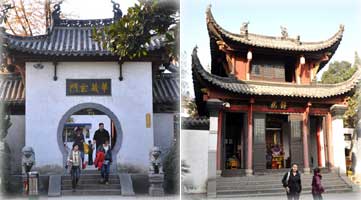
A snapshot of Guiyuan Temple
Show Captions
Show Captions
A snapshot of Guiyuan Temple



 A snapshot of Guiyuan Temple


![As one of the four biggest Buddhist temples in Hubei Province, the Guiyuan Temple is very famous in Wuhan. It was originally built by a monk named Bai Guang in 1658.It covers an area of 46,900 square meters. There are more than 200 halls in the temple. Most of the buildings, Buddhist sutras, Buddhist Sculptures are in a good state of preservation now. [Photo by Wang Di]](http://images.china.cn/attachement/jpg/site1007/20110110/000d87ad3cdd0e94f69430.jpg "As one of the four biggest Buddhist temples in Hubei Province, the Guiyuan Temple is very famous in Wuhan. It was originally built by a monk named Bai Guang in 1658.It covers an area of 46,900 square meters. There are more than 200 halls in the temple. Most of the buildings, Buddhist sutras, Buddhist Sculptures are in a good state of preservation now. [Photo by Wang Di]")
![As one of the four biggest Buddhist temples in Hubei Province, the Guiyuan Temple is very famous in Wuhan. It was originally built by a monk named Bai Guang in 1658.It covers an area of 46,900 square meters. There are more than 200 halls in the temple. Most of the buildings, Buddhist sutras, Buddhist Sculptures are in a good state of preservation now. [Photo by Wang Di]](http://images.china.cn/attachement/jpg/site1007/20110110/000d87ad3cdd0e94f69733.jpg "As one of the four biggest Buddhist temples in Hubei Province, the Guiyuan Temple is very famous in Wuhan. It was originally built by a monk named Bai Guang in 1658.It covers an area of 46,900 square meters. There are more than 200 halls in the temple. Most of the buildings, Buddhist sutras, Buddhist Sculptures are in a good state of preservation now. [Photo by Wang Di]")
![As one of the four biggest Buddhist temples in Hubei Province, the Guiyuan Temple is very famous in Wuhan. It was originally built by a monk named Bai Guang in 1658.It covers an area of 46,900 square meters. There are more than 200 halls in the temple. Most of the buildings, Buddhist sutras, Buddhist Sculptures are in a good state of preservation now. [Photo by Wang Di]](http://images.china.cn/attachement/jpg/site1007/20110110/000d87ad3cdd0e94f69a37.jpg "As one of the four biggest Buddhist temples in Hubei Province, the Guiyuan Temple is very famous in Wuhan. It was originally built by a monk named Bai Guang in 1658.It covers an area of 46,900 square meters. There are more than 200 halls in the temple. Most of the buildings, Buddhist sutras, Buddhist Sculptures are in a good state of preservation now. [Photo by Wang Di]")
![As one of the four biggest Buddhist temples in Hubei Province, the Guiyuan Temple is very famous in Wuhan. It was originally built by a monk named Bai Guang in 1658.It covers an area of 46,900 square meters. There are more than 200 halls in the temple. Most of the buildings, Buddhist sutras, Buddhist Sculptures are in a good state of preservation now. [Photo by Wang Di]](http://images.china.cn/attachement/jpg/site1007/20110110/000d87ad3cdd0e94f6d63c.jpg "As one of the four biggest Buddhist temples in Hubei Province, the Guiyuan Temple is very famous in Wuhan. It was originally built by a monk named Bai Guang in 1658.It covers an area of 46,900 square meters. There are more than 200 halls in the temple. Most of the buildings, Buddhist sutras, Buddhist Sculptures are in a good state of preservation now. [Photo by Wang Di]")
![As one of the four biggest Buddhist temples in Hubei Province, the Guiyuan Temple is very famous in Wuhan. It was originally built by a monk named Bai Guang in 1658.It covers an area of 46,900 square meters. There are more than 200 halls in the temple. Most of the buildings, Buddhist sutras, Buddhist Sculptures are in a good state of preservation now. [Photo by Wang Di]](http://images.china.cn/attachement/jpg/site1007/20110110/000d87ad3cdd0e94f6d942.jpg "As one of the four biggest Buddhist temples in Hubei Province, the Guiyuan Temple is very famous in Wuhan. It was originally built by a monk named Bai Guang in 1658.It covers an area of 46,900 square meters. There are more than 200 halls in the temple. Most of the buildings, Buddhist sutras, Buddhist Sculptures are in a good state of preservation now. [Photo by Wang Di]")
![As one of the four biggest Buddhist temples in Hubei Province, the Guiyuan Temple is very famous in Wuhan. It was originally built by a monk named Bai Guang in 1658.It covers an area of 46,900 square meters. There are more than 200 halls in the temple. Most of the buildings, Buddhist sutras, Buddhist Sculptures are in a good state of preservation now. [Photo by Wang Di]](http://images.china.cn/attachement/jpg/site1007/20110110/000d87ad3cdd0e94f6de49.jpg "As one of the four biggest Buddhist temples in Hubei Province, the Guiyuan Temple is very famous in Wuhan. It was originally built by a monk named Bai Guang in 1658.It covers an area of 46,900 square meters. There are more than 200 halls in the temple. Most of the buildings, Buddhist sutras, Buddhist Sculptures are in a good state of preservation now. [Photo by Wang Di]")
![As one of the four biggest Buddhist temples in Hubei Province, the Guiyuan Temple is very famous in Wuhan. It was originally built by a monk named Bai Guang in 1658.It covers an area of 46,900 square meters. There are more than 200 halls in the temple. Most of the buildings, Buddhist sutras, Buddhist Sculptures are in a good state of preservation now. [Photo by Wang Di]](http://images.china.cn/attachement/jpg/site1007/20110110/000d87ad3cdd0e94f6e151.jpg "As one of the four biggest Buddhist temples in Hubei Province, the Guiyuan Temple is very famous in Wuhan. It was originally built by a monk named Bai Guang in 1658.It covers an area of 46,900 square meters. There are more than 200 halls in the temple. Most of the buildings, Buddhist sutras, Buddhist Sculptures are in a good state of preservation now. [Photo by Wang Di]")
![As one of the four biggest Buddhist temples in Hubei Province, the Guiyuan Temple is very famous in Wuhan. It was originally built by a monk named Bai Guang in 1658.It covers an area of 46,900 square meters. There are more than 200 halls in the temple. Most of the buildings, Buddhist sutras, Buddhist Sculptures are in a good state of preservation now. [Photo by Wang Di]](http://images.china.cn/attachement/jpg/site1007/20110110/000d87ad3cdd0e94f71b5a.jpg "As one of the four biggest Buddhist temples in Hubei Province, the Guiyuan Temple is very famous in Wuhan. It was originally built by a monk named Bai Guang in 1658.It covers an area of 46,900 square meters. There are more than 200 halls in the temple. Most of the buildings, Buddhist sutras, Buddhist Sculptures are in a good state of preservation now. [Photo by Wang Di]")
![As one of the four biggest Buddhist temples in Hubei Province, the Guiyuan Temple is very famous in Wuhan. It was originally built by a monk named Bai Guang in 1658.It covers an area of 46,900 square meters. There are more than 200 halls in the temple. Most of the buildings, Buddhist sutras, Buddhist Sculptures are in a good state of preservation now. [Photo by Wang Di]](http://images.china.cn/attachement/jpg/site1007/20110110/000d87ad3cdd0e94f71e00.jpg "As one of the four biggest Buddhist temples in Hubei Province, the Guiyuan Temple is very famous in Wuhan. It was originally built by a monk named Bai Guang in 1658.It covers an area of 46,900 square meters. There are more than 200 halls in the temple. Most of the buildings, Buddhist sutras, Buddhist Sculptures are in a good state of preservation now. [Photo by Wang Di]")
![As one of the four biggest Buddhist temples in Hubei Province, the Guiyuan Temple is very famous in Wuhan. It was originally built by a monk named Bai Guang in 1658.It covers an area of 46,900 square meters. There are more than 200 halls in the temple. Most of the buildings, Buddhist sutras, Buddhist Sculptures are in a good state of preservation now. [Photo by Wang Di]](http://images.china.cn/attachement/jpg/site1007/20110110/000d87ad3cdd0e94f7200b.jpg "As one of the four biggest Buddhist temples in Hubei Province, the Guiyuan Temple is very famous in Wuhan. It was originally built by a monk named Bai Guang in 1658.It covers an area of 46,900 square meters. There are more than 200 halls in the temple. Most of the buildings, Buddhist sutras, Buddhist Sculptures are in a good state of preservation now. [Photo by Wang Di]")
![As one of the four biggest Buddhist temples in Hubei Province, the Guiyuan Temple is very famous in Wuhan. It was originally built by a monk named Bai Guang in 1658.It covers an area of 46,900 square meters. There are more than 200 halls in the temple. Most of the buildings, Buddhist sutras, Buddhist Sculptures are in a good state of preservation now. [Photo by Wang Di]](http://images.china.cn/attachement/jpg/site1007/20110110/000d87ad3cdd0e94f72317.jpg "As one of the four biggest Buddhist temples in Hubei Province, the Guiyuan Temple is very famous in Wuhan. It was originally built by a monk named Bai Guang in 1658.It covers an area of 46,900 square meters. There are more than 200 halls in the temple. Most of the buildings, Buddhist sutras, Buddhist Sculptures are in a good state of preservation now. [Photo by Wang Di]")
![As one of the four biggest Buddhist temples in Hubei Province, the Guiyuan Temple is very famous in Wuhan. It was originally built by a monk named Bai Guang in 1658.It covers an area of 46,900 square meters. There are more than 200 halls in the temple. Most of the buildings, Buddhist sutras, Buddhist Sculptures are in a good state of preservation now. [Photo by Wang Di]](http://images.china.cn/attachement/jpg/site1007/20110110/000d87ad3cdd0e94f72524.jpg "As one of the four biggest Buddhist temples in Hubei Province, the Guiyuan Temple is very famous in Wuhan. It was originally built by a monk named Bai Guang in 1658.It covers an area of 46,900 square meters. There are more than 200 halls in the temple. Most of the buildings, Buddhist sutras, Buddhist Sculptures are in a good state of preservation now. [Photo by Wang Di]")
![As one of the four biggest Buddhist temples in Hubei Province, the Guiyuan Temple is very famous in Wuhan. It was originally built by a monk named Bai Guang in 1658.It covers an area of 46,900 square meters. There are more than 200 halls in the temple. Most of the buildings, Buddhist sutras, Buddhist Sculptures are in a good state of preservation now. [Photo by Wang Di]](http://images.china.cn/attachement/jpg/site1007/20110110/000d87ad3cdd0e94f72832.jpg "As one of the four biggest Buddhist temples in Hubei Province, the Guiyuan Temple is very famous in Wuhan. It was originally built by a monk named Bai Guang in 1658.It covers an area of 46,900 square meters. There are more than 200 halls in the temple. Most of the buildings, Buddhist sutras, Buddhist Sculptures are in a good state of preservation now. [Photo by Wang Di]")
![As one of the four biggest Buddhist temples in Hubei Province, the Guiyuan Temple is very famous in Wuhan. It was originally built by a monk named Bai Guang in 1658.It covers an area of 46,900 square meters. There are more than 200 halls in the temple. Most of the buildings, Buddhist sutras, Buddhist Sculptures are in a good state of preservation now. [Photo by Wang Di]](http://images.china.cn/attachement/jpg/site1007/20110110/000d87ad3cdd0e94f72b41.jpg "As one of the four biggest Buddhist temples in Hubei Province, the Guiyuan Temple is very famous in Wuhan. It was originally built by a monk named Bai Guang in 1658.It covers an area of 46,900 square meters. There are more than 200 halls in the temple. Most of the buildings, Buddhist sutras, Buddhist Sculptures are in a good state of preservation now. [Photo by Wang Di]")
![As one of the four biggest Buddhist temples in Hubei Province, the Guiyuan Temple is very famous in Wuhan. It was originally built by a monk named Bai Guang in 1658.It covers an area of 46,900 square meters. There are more than 200 halls in the temple. Most of the buildings, Buddhist sutras, Buddhist Sculptures are in a good state of preservation now. [Photo by Wang Di]](http://images.china.cn/attachement/jpg/site1007/20110110/000d87ad3cdd0e94f72d51.jpg "As one of the four biggest Buddhist temples in Hubei Province, the Guiyuan Temple is very famous in Wuhan. It was originally built by a monk named Bai Guang in 1658.It covers an area of 46,900 square meters. There are more than 200 halls in the temple. Most of the buildings, Buddhist sutras, Buddhist Sculptures are in a good state of preservation now. [Photo by Wang Di]")
![As one of the four biggest Buddhist temples in Hubei Province, the Guiyuan Temple is very famous in Wuhan. It was originally built by a monk named Bai Guang in 1658.It covers an area of 46,900 square meters. There are more than 200 halls in the temple. Most of the buildings, Buddhist sutras, Buddhist Sculptures are in a good state of preservation now. [Photo by Wang Di]](http://images.china.cn/attachement/jpg/site1007/20110110/000d87ad3cdd0e94f73062.jpg "As one of the four biggest Buddhist temples in Hubei Province, the Guiyuan Temple is very famous in Wuhan. It was originally built by a monk named Bai Guang in 1658.It covers an area of 46,900 square meters. There are more than 200 halls in the temple. Most of the buildings, Buddhist sutras, Buddhist Sculptures are in a good state of preservation now. [Photo by Wang Di]")
![As one of the four biggest Buddhist temples in Hubei Province, the Guiyuan Temple is very famous in Wuhan. It was originally built by a monk named Bai Guang in 1658.It covers an area of 46,900 square meters. There are more than 200 halls in the temple. Most of the buildings, Buddhist sutras, Buddhist Sculptures are in a good state of preservation now. [Photo by Wang Di]](http://images.china.cn/attachement/jpg/site1007/20110110/000d87ad3cdd0e94f73310.jpg "As one of the four biggest Buddhist temples in Hubei Province, the Guiyuan Temple is very famous in Wuhan. It was originally built by a monk named Bai Guang in 1658.It covers an area of 46,900 square meters. There are more than 200 halls in the temple. Most of the buildings, Buddhist sutras, Buddhist Sculptures are in a good state of preservation now. [Photo by Wang Di]")
![As one of the four biggest Buddhist temples in Hubei Province, the Guiyuan Temple is very famous in Wuhan. It was originally built by a monk named Bai Guang in 1658.It covers an area of 46,900 square meters. There are more than 200 halls in the temple. Most of the buildings, Buddhist sutras, Buddhist Sculptures are in a good state of preservation now. [Photo by Wang Di]](http://images.china.cn/attachement/jpg/site1007/20110110/000d87ad3cdd0e94f73523.jpg "As one of the four biggest Buddhist temples in Hubei Province, the Guiyuan Temple is very famous in Wuhan. It was originally built by a monk named Bai Guang in 1658.It covers an area of 46,900 square meters. There are more than 200 halls in the temple. Most of the buildings, Buddhist sutras, Buddhist Sculptures are in a good state of preservation now. [Photo by Wang Di]")
![As one of the four biggest Buddhist temples in Hubei Province, the Guiyuan Temple is very famous in Wuhan. It was originally built by a monk named Bai Guang in 1658.It covers an area of 46,900 square meters. There are more than 200 halls in the temple. Most of the buildings, Buddhist sutras, Buddhist Sculptures are in a good state of preservation now. [Photo by Wang Di]](http://images.china.cn/attachement/jpg/site1007/20110110/000d87ad3cdd0e94f73837.jpg "As one of the four biggest Buddhist temples in Hubei Province, the Guiyuan Temple is very famous in Wuhan. It was originally built by a monk named Bai Guang in 1658.It covers an area of 46,900 square meters. There are more than 200 halls in the temple. Most of the buildings, Buddhist sutras, Buddhist Sculptures are in a good state of preservation now. [Photo by Wang Di]")
![As one of the four biggest Buddhist temples in Hubei Province, the Guiyuan Temple is very famous in Wuhan. It was originally built by a monk named Bai Guang in 1658.It covers an area of 46,900 square meters. There are more than 200 halls in the temple. Most of the buildings, Buddhist sutras, Buddhist Sculptures are in a good state of preservation now. [Photo by Wang Di]](http://images.china.cn/attachement/jpg/site1007/20110110/000d87ad3cdd0e94f7415f.jpg "As one of the four biggest Buddhist temples in Hubei Province, the Guiyuan Temple is very famous in Wuhan. It was originally built by a monk named Bai Guang in 1658.It covers an area of 46,900 square meters. There are more than 200 halls in the temple. Most of the buildings, Buddhist sutras, Buddhist Sculptures are in a good state of preservation now. [Photo by Wang Di]")
![As one of the four biggest Buddhist temples in Hubei Province, the Guiyuan Temple is very famous in Wuhan. It was originally built by a monk named Bai Guang in 1658.It covers an area of 46,900 square meters. There are more than 200 halls in the temple. Most of the buildings, Buddhist sutras, Buddhist Sculptures are in a good state of preservation now. [Photo by Wang Di]](http://images.china.cn/attachement/jpg/site1007/20110110/000d87ad3cdd0e94f74725.jpg "As one of the four biggest Buddhist temples in Hubei Province, the Guiyuan Temple is very famous in Wuhan. It was originally built by a monk named Bai Guang in 1658.It covers an area of 46,900 square meters. There are more than 200 halls in the temple. Most of the buildings, Buddhist sutras, Buddhist Sculptures are in a good state of preservation now. [Photo by Wang Di]")
![As one of the four biggest Buddhist temples in Hubei Province, the Guiyuan Temple is very famous in Wuhan. It was originally built by a monk named Bai Guang in 1658.It covers an area of 46,900 square meters. There are more than 200 halls in the temple. Most of the buildings, Buddhist sutras, Buddhist Sculptures are in a good state of preservation now. [Photo by Wang Di]](http://images.china.cn/attachement/jpg/site1007/20110110/000d87ad3cdd0e94f74a3c.jpg "As one of the four biggest Buddhist temples in Hubei Province, the Guiyuan Temple is very famous in Wuhan. It was originally built by a monk named Bai Guang in 1658.It covers an area of 46,900 square meters. There are more than 200 halls in the temple. Most of the buildings, Buddhist sutras, Buddhist Sculptures are in a good state of preservation now. [Photo by Wang Di]")
![As one of the four biggest Buddhist temples in Hubei Province, the Guiyuan Temple is very famous in Wuhan. It was originally built by a monk named Bai Guang in 1658.It covers an area of 46,900 square meters. There are more than 200 halls in the temple. Most of the buildings, Buddhist sutras, Buddhist Sculptures are in a good state of preservation now. [Photo by Wang Di]](http://images.china.cn/attachement/jpg/site1007/20110110/000d87ad3cdd0e94f74d54.jpg "As one of the four biggest Buddhist temples in Hubei Province, the Guiyuan Temple is very famous in Wuhan. It was originally built by a monk named Bai Guang in 1658.It covers an area of 46,900 square meters. There are more than 200 halls in the temple. Most of the buildings, Buddhist sutras, Buddhist Sculptures are in a good state of preservation now. [Photo by Wang Di]")
![As one of the four biggest Buddhist temples in Hubei Province, the Guiyuan Temple is very famous in Wuhan. It was originally built by a monk named Bai Guang in 1658.It covers an area of 46,900 square meters. There are more than 200 halls in the temple. Most of the buildings, Buddhist sutras, Buddhist Sculptures are in a good state of preservation now. [Photo by Wang Di]](http://images.china.cn/attachement/jpg/site1007/20110110/000d87ad3cdd0e94f74f09.jpg "As one of the four biggest Buddhist temples in Hubei Province, the Guiyuan Temple is very famous in Wuhan. It was originally built by a monk named Bai Guang in 1658.It covers an area of 46,900 square meters. There are more than 200 halls in the temple. Most of the buildings, Buddhist sutras, Buddhist Sculptures are in a good state of preservation now. [Photo by Wang Di]")
![As one of the four biggest Buddhist temples in Hubei Province, the Guiyuan Temple is very famous in Wuhan. It was originally built by a monk named Bai Guang in 1658.It covers an area of 46,900 square meters. There are more than 200 halls in the temple. Most of the buildings, Buddhist sutras, Buddhist Sculptures are in a good state of preservation now. [Photo by Wang Di]](http://images.china.cn/attachement/jpg/site1007/20110110/000d87ad3cdd0e94f75223.jpg "As one of the four biggest Buddhist temples in Hubei Province, the Guiyuan Temple is very famous in Wuhan. It was originally built by a monk named Bai Guang in 1658.It covers an area of 46,900 square meters. There are more than 200 halls in the temple. Most of the buildings, Buddhist sutras, Buddhist Sculptures are in a good state of preservation now. [Photo by Wang Di]")
![As one of the four biggest Buddhist temples in Hubei Province, the Guiyuan Temple is very famous in Wuhan. It was originally built by a monk named Bai Guang in 1658.It covers an area of 46,900 square meters. There are more than 200 halls in the temple. Most of the buildings, Buddhist sutras, Buddhist Sculptures are in a good state of preservation now. [Photo by Wang Di]](http://images.china.cn/attachement/jpg/site1007/20110110/000d87ad3cdd0e94f7553e.jpg "As one of the four biggest Buddhist temples in Hubei Province, the Guiyuan Temple is very famous in Wuhan. It was originally built by a monk named Bai Guang in 1658.It covers an area of 46,900 square meters. There are more than 200 halls in the temple. Most of the buildings, Buddhist sutras, Buddhist Sculptures are in a good state of preservation now. [Photo by Wang Di]")
![As one of the four biggest Buddhist temples in Hubei Province, the Guiyuan Temple is very famous in Wuhan. It was originally built by a monk named Bai Guang in 1658.It covers an area of 46,900 square meters. There are more than 200 halls in the temple. Most of the buildings, Buddhist sutras, Buddhist Sculptures are in a good state of preservation now. [Photo by Wang Di]](http://images.china.cn/attachement/jpg/site1007/20110110/000d87ad3cdd0e94f7575a.jpg "As one of the four biggest Buddhist temples in Hubei Province, the Guiyuan Temple is very famous in Wuhan. It was originally built by a monk named Bai Guang in 1658.It covers an area of 46,900 square meters. There are more than 200 halls in the temple. Most of the buildings, Buddhist sutras, Buddhist Sculptures are in a good state of preservation now. [Photo by Wang Di]")