<small id="6o8u8"></small>
<ul id="6o8u8"></ul>
<abbr id="6o8u8"><center id="6o8u8"></center></abbr>
<dfn id="6o8u8"><center id="6o8u8"></center></dfn>
<ul id="6o8u8"></ul>
<small id="6o8u8"></small>
<strike id="6o8u8"><input id="6o8u8"></input></strike>
<strike id="6o8u8"></strike>
<ul id="6o8u8"></ul>
涩涩爱在线撸免费视频,失禁 调教 刺激 哭喊男男,丰满少妇猛烈进入A片99A,自己动粗暴抽插娇喘羞辱
Photo
|
Travel
|
Home
Saihanba National Forest Park
Show Captions
Show Captions
Saihanba National Forest Park



 Saihanba National Forest Park


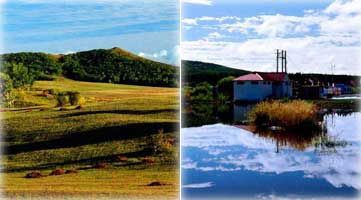
![Photo shows the fascinating scenery of Saihanba National Forest Park in Chengde, north China's Hebei Province. The park used to be part of the 'royal hunting ground' in Qing Dynasty. People can find the vast sea of cloud, the immense meadow, the limpid plateau lake and the historical relics of Qing dynasty in this 410,000 mu (about 273 square kilometers) forest park. [Photo by Jia Yunlong]](http://images.china.cn/attachement/jpg/site1007/20101014/000d87ad3cdd0e20ea5b5e.jpg "Photo shows the fascinating scenery of Saihanba National Forest Park in Chengde, north China's Hebei Province. The park used to be part of the 'royal hunting ground' in Qing Dynasty. People can find the vast sea of cloud, the immense meadow, the limpid plateau lake and the historical relics of Qing dynasty in this 410,000 mu (about 273 square kilometers) forest park. [Photo by Jia Yunlong]")
![Photo shows the fascinating scenery of Saihanba National Forest Park in Chengde, north China's Hebei Province. The park used to be part of the 'royal hunting ground' in Qing Dynasty. People can find the vast sea of cloud, the immense meadow, the limpid plateau lake and the historical relics of Qing dynasty in this 410,000 mu (about 273 square kilometers) forest park. [Photo by Jia Yunlong]](http://images.china.cn/attachement/jpg/site1007/20101014/000d87ad3cdd0e20ea6263.jpg "Photo shows the fascinating scenery of Saihanba National Forest Park in Chengde, north China's Hebei Province. The park used to be part of the 'royal hunting ground' in Qing Dynasty. People can find the vast sea of cloud, the immense meadow, the limpid plateau lake and the historical relics of Qing dynasty in this 410,000 mu (about 273 square kilometers) forest park. [Photo by Jia Yunlong]")
![Photo shows the fascinating scenery of Saihanba National Forest Park in Chengde, north China's Hebei Province. The park used to be part of the 'royal hunting ground' in Qing Dynasty. People can find the vast sea of cloud, the immense meadow, the limpid plateau lake and the historical relics of Qing dynasty in this 410,000 mu (about 273 square kilometers) forest park. [Photo by Jia Yunlong]](http://images.china.cn/attachement/jpg/site1007/20101014/000d87ad3cdd0e20ea6a06.jpg "Photo shows the fascinating scenery of Saihanba National Forest Park in Chengde, north China's Hebei Province. The park used to be part of the 'royal hunting ground' in Qing Dynasty. People can find the vast sea of cloud, the immense meadow, the limpid plateau lake and the historical relics of Qing dynasty in this 410,000 mu (about 273 square kilometers) forest park. [Photo by Jia Yunlong]")
![Photo shows the fascinating scenery of Saihanba National Forest Park in Chengde, north China's Hebei Province. The park used to be part of the 'royal hunting ground' in Qing Dynasty. People can find the vast sea of cloud, the immense meadow, the limpid plateau lake and the historical relics of Qing dynasty in this 410,000 mu (about 273 square kilometers) forest park. [Photo by Jia Yunlong]](http://images.china.cn/attachement/jpg/site1007/20101014/000d87ad3cdd0e20ea720f.jpg "Photo shows the fascinating scenery of Saihanba National Forest Park in Chengde, north China's Hebei Province. The park used to be part of the 'royal hunting ground' in Qing Dynasty. People can find the vast sea of cloud, the immense meadow, the limpid plateau lake and the historical relics of Qing dynasty in this 410,000 mu (about 273 square kilometers) forest park. [Photo by Jia Yunlong]")
![Photo shows the fascinating scenery of Saihanba National Forest Park in Chengde, north China's Hebei Province. The park used to be part of the 'royal hunting ground' in Qing Dynasty. People can find the vast sea of cloud, the immense meadow, the limpid plateau lake and the historical relics of Qing dynasty in this 410,000 mu (about 273 square kilometers) forest park. [Photo by Jia Yunlong]](http://images.china.cn/attachement/jpg/site1007/20101014/000d87ad3cdd0e20ea791a.jpg "Photo shows the fascinating scenery of Saihanba National Forest Park in Chengde, north China's Hebei Province. The park used to be part of the 'royal hunting ground' in Qing Dynasty. People can find the vast sea of cloud, the immense meadow, the limpid plateau lake and the historical relics of Qing dynasty in this 410,000 mu (about 273 square kilometers) forest park. [Photo by Jia Yunlong]")
![Photo shows the fascinating scenery of Saihanba National Forest Park in Chengde, north China's Hebei Province. The park used to be part of the 'royal hunting ground' in Qing Dynasty. People can find the vast sea of cloud, the immense meadow, the limpid plateau lake and the historical relics of Qing dynasty in this 410,000 mu (about 273 square kilometers) forest park. [Photo by Jia Yunlong]](http://images.china.cn/attachement/jpg/site1007/20101014/000d87ad3cdd0e20ea7d27.jpg "Photo shows the fascinating scenery of Saihanba National Forest Park in Chengde, north China's Hebei Province. The park used to be part of the 'royal hunting ground' in Qing Dynasty. People can find the vast sea of cloud, the immense meadow, the limpid plateau lake and the historical relics of Qing dynasty in this 410,000 mu (about 273 square kilometers) forest park. [Photo by Jia Yunlong]")
![Photo shows the fascinating scenery of Saihanba National Forest Park in Chengde, north China's Hebei Province. The park used to be part of the 'royal hunting ground' in Qing Dynasty. People can find the vast sea of cloud, the immense meadow, the limpid plateau lake and the historical relics of Qing dynasty in this 410,000 mu (about 273 square kilometers) forest park. [Photo by Jia Yunlong]](http://images.china.cn/attachement/jpg/site1007/20101014/000d87ad3cdd0e20ea8236.jpg "Photo shows the fascinating scenery of Saihanba National Forest Park in Chengde, north China's Hebei Province. The park used to be part of the 'royal hunting ground' in Qing Dynasty. People can find the vast sea of cloud, the immense meadow, the limpid plateau lake and the historical relics of Qing dynasty in this 410,000 mu (about 273 square kilometers) forest park. [Photo by Jia Yunlong]")
![Photo shows the fascinating scenery of Saihanba National Forest Park in Chengde, north China's Hebei Province. The park used to be part of the 'royal hunting ground' in Qing Dynasty. People can find the vast sea of cloud, the immense meadow, the limpid plateau lake and the historical relics of Qing dynasty in this 410,000 mu (about 273 square kilometers) forest park. [Photo by Jia Yunlong]](http://images.china.cn/attachement/jpg/site1007/20101014/000d87ad3cdd0e20ea8647.jpg "Photo shows the fascinating scenery of Saihanba National Forest Park in Chengde, north China's Hebei Province. The park used to be part of the 'royal hunting ground' in Qing Dynasty. People can find the vast sea of cloud, the immense meadow, the limpid plateau lake and the historical relics of Qing dynasty in this 410,000 mu (about 273 square kilometers) forest park. [Photo by Jia Yunlong]")
![Photo shows the fascinating scenery of Saihanba National Forest Park in Chengde, north China's Hebei Province. The park used to be part of the 'royal hunting ground' in Qing Dynasty. People can find the vast sea of cloud, the immense meadow, the limpid plateau lake and the historical relics of Qing dynasty in this 410,000 mu (about 273 square kilometers) forest park. [Photo by Jia Yunlong]](http://images.china.cn/attachement/jpg/site1007/20101014/000d87ad3cdd0e20ea8b5a.jpg "Photo shows the fascinating scenery of Saihanba National Forest Park in Chengde, north China's Hebei Province. The park used to be part of the 'royal hunting ground' in Qing Dynasty. People can find the vast sea of cloud, the immense meadow, the limpid plateau lake and the historical relics of Qing dynasty in this 410,000 mu (about 273 square kilometers) forest park. [Photo by Jia Yunlong]")
![Photo shows the fascinating scenery of Saihanba National Forest Park in Chengde, north China's Hebei Province. The park used to be part of the 'royal hunting ground' in Qing Dynasty. People can find the vast sea of cloud, the immense meadow, the limpid plateau lake and the historical relics of Qing dynasty in this 410,000 mu (about 273 square kilometers) forest park. [Photo by Jia Yunlong]](http://images.china.cn/attachement/jpg/site1007/20101014/000d87ad3cdd0e20ea900b.jpg "Photo shows the fascinating scenery of Saihanba National Forest Park in Chengde, north China's Hebei Province. The park used to be part of the 'royal hunting ground' in Qing Dynasty. People can find the vast sea of cloud, the immense meadow, the limpid plateau lake and the historical relics of Qing dynasty in this 410,000 mu (about 273 square kilometers) forest park. [Photo by Jia Yunlong]")