<small id="6o8u8"></small>
<ul id="6o8u8"></ul>
<abbr id="6o8u8"><center id="6o8u8"></center></abbr>
<dfn id="6o8u8"><center id="6o8u8"></center></dfn>
<ul id="6o8u8"></ul>
<small id="6o8u8"></small>
<strike id="6o8u8"><input id="6o8u8"></input></strike>
<strike id="6o8u8"></strike>
<ul id="6o8u8"></ul>
涩涩爱在线撸免费视频,失禁 调教 刺激 哭喊男男,丰满少妇猛烈进入A片99A,自己动粗暴抽插娇喘羞辱
<strike id="2gque"><input id="2gque"></input></strike>
Photo
|
Travel
|
Home
Shenyang Imperial Palace
Show Captions
Show Captions
Shenyang Imperial Palace



 Shenyang Imperial Palace


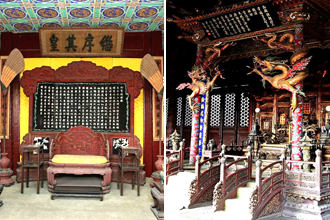
![Located in the center of Shenyang, Liaoning Province, Shenyang Imperial Palace, also known as the Mukden Palace, is the former imperial palace of the early Qing Dynasty of China. It was built in 1625 and the first three Qing emperors lived there from 1625 to 1644. In 2004, it was listed by UNESCO as a World Cultural Heritage Site to be an extension of the Forbidden City in Beijing. [Photo by Ma Chengjun]](http://images.china.cn/attachement/jpg/site1007/20100720/00114320ca550daf41170f.jpg "Located in the center of Shenyang, Liaoning Province, Shenyang Imperial Palace, also known as the Mukden Palace, is the former imperial palace of the early Qing Dynasty of China. It was built in 1625 and the first three Qing emperors lived there from 1625 to 1644. In 2004, it was listed by UNESCO as a World Cultural Heritage Site to be an extension of the Forbidden City in Beijing. [Photo by Ma Chengjun]")
![Located in the center of Shenyang, Liaoning Province, Shenyang Imperial Palace, also known as the Mukden Palace, is the former imperial palace of the early Qing Dynasty of China. It was built in 1625 and the first three Qing emperors lived there from 1625 to 1644. In 2004, it was listed by UNESCO as a World Cultural Heritage Site to be an extension of the Forbidden City in Beijing. [Photo by Ma Chengjun]](http://images.china.cn/attachement/jpg/site1007/20100720/00114320ca550daf411c12.jpg "Located in the center of Shenyang, Liaoning Province, Shenyang Imperial Palace, also known as the Mukden Palace, is the former imperial palace of the early Qing Dynasty of China. It was built in 1625 and the first three Qing emperors lived there from 1625 to 1644. In 2004, it was listed by UNESCO as a World Cultural Heritage Site to be an extension of the Forbidden City in Beijing. [Photo by Ma Chengjun]")
![Located in the center of Shenyang, Liaoning Province, Shenyang Imperial Palace, also known as the Mukden Palace, is the former imperial palace of the early Qing Dynasty of China. It was built in 1625 and the first three Qing emperors lived there from 1625 to 1644. In 2004, it was listed by UNESCO as a World Cultural Heritage Site to be an extension of the Forbidden City in Beijing. [Photo by Ma Chengjun]](http://images.china.cn/attachement/jpg/site1007/20100720/00114320ca550daf412016.jpg "Located in the center of Shenyang, Liaoning Province, Shenyang Imperial Palace, also known as the Mukden Palace, is the former imperial palace of the early Qing Dynasty of China. It was built in 1625 and the first three Qing emperors lived there from 1625 to 1644. In 2004, it was listed by UNESCO as a World Cultural Heritage Site to be an extension of the Forbidden City in Beijing. [Photo by Ma Chengjun]")
![Located in the center of Shenyang, Liaoning Province, Shenyang Imperial Palace, also known as the Mukden Palace, is the former imperial palace of the early Qing Dynasty of China. It was built in 1625 and the first three Qing emperors lived there from 1625 to 1644. In 2004, it was listed by UNESCO as a World Cultural Heritage Site to be an extension of the Forbidden City in Beijing. [Photo by Ma Chengjun]](http://images.china.cn/attachement/jpg/site1007/20100720/00114320ca550daf41231b.jpg "Located in the center of Shenyang, Liaoning Province, Shenyang Imperial Palace, also known as the Mukden Palace, is the former imperial palace of the early Qing Dynasty of China. It was built in 1625 and the first three Qing emperors lived there from 1625 to 1644. In 2004, it was listed by UNESCO as a World Cultural Heritage Site to be an extension of the Forbidden City in Beijing. [Photo by Ma Chengjun]")
![Located in the center of Shenyang, Liaoning Province, Shenyang Imperial Palace, also known as the Mukden Palace, is the former imperial palace of the early Qing Dynasty of China. It was built in 1625 and the first three Qing emperors lived there from 1625 to 1644. In 2004, it was listed by UNESCO as a World Cultural Heritage Site to be an extension of the Forbidden City in Beijing. [Photo by Ma Chengjun]](http://images.china.cn/attachement/jpg/site1007/20100720/00114320ca550daf412c25.jpg "Located in the center of Shenyang, Liaoning Province, Shenyang Imperial Palace, also known as the Mukden Palace, is the former imperial palace of the early Qing Dynasty of China. It was built in 1625 and the first three Qing emperors lived there from 1625 to 1644. In 2004, it was listed by UNESCO as a World Cultural Heritage Site to be an extension of the Forbidden City in Beijing. [Photo by Ma Chengjun]")
![Located in the center of Shenyang, Liaoning Province, Shenyang Imperial Palace, also known as the Mukden Palace, is the former imperial palace of the early Qing Dynasty of China. It was built in 1625 and the first three Qing emperors lived there from 1625 to 1644. In 2004, it was listed by UNESCO as a World Cultural Heritage Site to be an extension of the Forbidden City in Beijing. [Photo by Ma Chengjun]](http://images.china.cn/attachement/jpg/site1007/20100720/00114320ca550daf41302c.jpg "Located in the center of Shenyang, Liaoning Province, Shenyang Imperial Palace, also known as the Mukden Palace, is the former imperial palace of the early Qing Dynasty of China. It was built in 1625 and the first three Qing emperors lived there from 1625 to 1644. In 2004, it was listed by UNESCO as a World Cultural Heritage Site to be an extension of the Forbidden City in Beijing. [Photo by Ma Chengjun]")
![Located in the center of Shenyang, Liaoning Province, Shenyang Imperial Palace, also known as the Mukden Palace, is the former imperial palace of the early Qing Dynasty of China. It was built in 1625 and the first three Qing emperors lived there from 1625 to 1644. In 2004, it was listed by UNESCO as a World Cultural Heritage Site to be an extension of the Forbidden City in Beijing. [Photo by Ma Chengjun]](http://images.china.cn/attachement/jpg/site1007/20100720/00114320ca550daf413334.jpg "Located in the center of Shenyang, Liaoning Province, Shenyang Imperial Palace, also known as the Mukden Palace, is the former imperial palace of the early Qing Dynasty of China. It was built in 1625 and the first three Qing emperors lived there from 1625 to 1644. In 2004, it was listed by UNESCO as a World Cultural Heritage Site to be an extension of the Forbidden City in Beijing. [Photo by Ma Chengjun]")
![Located in the center of Shenyang, Liaoning Province, Shenyang Imperial Palace, also known as the Mukden Palace, is the former imperial palace of the early Qing Dynasty of China. It was built in 1625 and the first three Qing emperors lived there from 1625 to 1644. In 2004, it was listed by UNESCO as a World Cultural Heritage Site to be an extension of the Forbidden City in Beijing. [Photo by Ma Chengjun]](http://images.china.cn/attachement/jpg/site1007/20100720/00114320ca550daf41363d.jpg "Located in the center of Shenyang, Liaoning Province, Shenyang Imperial Palace, also known as the Mukden Palace, is the former imperial palace of the early Qing Dynasty of China. It was built in 1625 and the first three Qing emperors lived there from 1625 to 1644. In 2004, it was listed by UNESCO as a World Cultural Heritage Site to be an extension of the Forbidden City in Beijing. [Photo by Ma Chengjun]")
![Located in the center of Shenyang, Liaoning Province, Shenyang Imperial Palace, also known as the Mukden Palace, is the former imperial palace of the early Qing Dynasty of China. It was built in 1625 and the first three Qing emperors lived there from 1625 to 1644. In 2004, it was listed by UNESCO as a World Cultural Heritage Site to be an extension of the Forbidden City in Beijing. [Photo by Ma Chengjun]](http://images.china.cn/attachement/jpg/site1007/20100720/00114320ca550daf413947.jpg "Located in the center of Shenyang, Liaoning Province, Shenyang Imperial Palace, also known as the Mukden Palace, is the former imperial palace of the early Qing Dynasty of China. It was built in 1625 and the first three Qing emperors lived there from 1625 to 1644. In 2004, it was listed by UNESCO as a World Cultural Heritage Site to be an extension of the Forbidden City in Beijing. [Photo by Ma Chengjun]")
![Located in the center of Shenyang, Liaoning Province, Shenyang Imperial Palace, also known as the Mukden Palace, is the former imperial palace of the early Qing Dynasty of China. It was built in 1625 and the first three Qing emperors lived there from 1625 to 1644. In 2004, it was listed by UNESCO as a World Cultural Heritage Site to be an extension of the Forbidden City in Beijing. [Photo by Ma Chengjun]](http://images.china.cn/attachement/jpg/site1007/20100720/00114320ca550daf414052.jpg "Located in the center of Shenyang, Liaoning Province, Shenyang Imperial Palace, also known as the Mukden Palace, is the former imperial palace of the early Qing Dynasty of China. It was built in 1625 and the first three Qing emperors lived there from 1625 to 1644. In 2004, it was listed by UNESCO as a World Cultural Heritage Site to be an extension of the Forbidden City in Beijing. [Photo by Ma Chengjun]")
![Located in the center of Shenyang, Liaoning Province, Shenyang Imperial Palace, also known as the Mukden Palace, is the former imperial palace of the early Qing Dynasty of China. It was built in 1625 and the first three Qing emperors lived there from 1625 to 1644. In 2004, it was listed by UNESCO as a World Cultural Heritage Site to be an extension of the Forbidden City in Beijing. [Photo by Ma Chengjun]](http://images.china.cn/attachement/jpg/site1007/20100720/00114320ca550daf41445e.jpg "Located in the center of Shenyang, Liaoning Province, Shenyang Imperial Palace, also known as the Mukden Palace, is the former imperial palace of the early Qing Dynasty of China. It was built in 1625 and the first three Qing emperors lived there from 1625 to 1644. In 2004, it was listed by UNESCO as a World Cultural Heritage Site to be an extension of the Forbidden City in Beijing. [Photo by Ma Chengjun]")
![Located in the center of Shenyang, Liaoning Province, Shenyang Imperial Palace, also known as the Mukden Palace, is the former imperial palace of the early Qing Dynasty of China. It was built in 1625 and the first three Qing emperors lived there from 1625 to 1644. In 2004, it was listed by UNESCO as a World Cultural Heritage Site to be an extension of the Forbidden City in Beijing. [Photo by Ma Chengjun]](http://images.china.cn/attachement/jpg/site1007/20100720/00114320ca550daf414707.jpg "Located in the center of Shenyang, Liaoning Province, Shenyang Imperial Palace, also known as the Mukden Palace, is the former imperial palace of the early Qing Dynasty of China. It was built in 1625 and the first three Qing emperors lived there from 1625 to 1644. In 2004, it was listed by UNESCO as a World Cultural Heritage Site to be an extension of the Forbidden City in Beijing. [Photo by Ma Chengjun]")
![Located in the center of Shenyang, Liaoning Province, Shenyang Imperial Palace, also known as the Mukden Palace, is the former imperial palace of the early Qing Dynasty of China. It was built in 1625 and the first three Qing emperors lived there from 1625 to 1644. In 2004, it was listed by UNESCO as a World Cultural Heritage Site to be an extension of the Forbidden City in Beijing. [Photo by Ma Chengjun]](http://images.china.cn/attachement/jpg/site1007/20100720/00114320ca550daf414b15.jpg "Located in the center of Shenyang, Liaoning Province, Shenyang Imperial Palace, also known as the Mukden Palace, is the former imperial palace of the early Qing Dynasty of China. It was built in 1625 and the first three Qing emperors lived there from 1625 to 1644. In 2004, it was listed by UNESCO as a World Cultural Heritage Site to be an extension of the Forbidden City in Beijing. [Photo by Ma Chengjun]")
![Located in the center of Shenyang, Liaoning Province, Shenyang Imperial Palace, also known as the Mukden Palace, is the former imperial palace of the early Qing Dynasty of China. It was built in 1625 and the first three Qing emperors lived there from 1625 to 1644. In 2004, it was listed by UNESCO as a World Cultural Heritage Site to be an extension of the Forbidden City in Beijing. [Photo by Ma Chengjun]](http://images.china.cn/attachement/jpg/site1007/20100720/00114320ca550daf414e24.jpg "Located in the center of Shenyang, Liaoning Province, Shenyang Imperial Palace, also known as the Mukden Palace, is the former imperial palace of the early Qing Dynasty of China. It was built in 1625 and the first three Qing emperors lived there from 1625 to 1644. In 2004, it was listed by UNESCO as a World Cultural Heritage Site to be an extension of the Forbidden City in Beijing. [Photo by Ma Chengjun]")